
MARKETING
Successful entrepreneurs do frequent reviews of their metrics, KPIs, accomplishments, and shortcomings. But the year-end analysis is one of the most important. Yes, we all understand that business owners are more likely to plan their business goals rather evaluate past performance, but you will only know how significant your achievements are if you see the big picture. Such review will provide context, so you won’t feel unsure when developing your brand road map for the future.
How exactly should companies review their strategy performance?
Step 1: Set your goals on this review and forward to your results.
A year-end business review includes separating yourself from the business and finding new opportunities for improvement or growth.Step 2: Evaluate your goals set in 2020 with a short assessment.
You may have questions like:
- Did my brand strategy goals accomplish what I set out to do?
- What were the biggest accomplishments and disappointments?
- Where do I see the “window” for improvement?
Step 3: Set a positive mindset.
Point out your top-3 accomplishments of 2020. Note what went right and identify the specific steps you took to achieve these goals. For example, you’ve implemented successfully your marketing inputs on different stages of the sales funnels and appealed to all segments from your buying personas’ portfolio with right messaging, so it brought you leads growth on XX%.Step 4: Let go of musty goals.
Make a list of all the goals you did not achieve in the past year and evaluate each of them: is this goal worth having anymore? If yes, then what should be adjusted to accomplish it? For example, you should implement next to accomplish goals:
- Changes to your product or service
- New messages or methods for communicating with the market
- New methods for pricing or distributing your product/service
- Changes in your sales & marketing materials
- Training programs to guide your team to deliver new messages
- Manufacturing redesign
- New brand imagery
Step 5: Time to think big.
Plan new heights for your brand, make a long and detailed list with short and long-term goals you want to accomplish.
Step 6: Identify potential bumps.
Generate possible scenarios that could keep you from achieving goals. Preparing for the worst in advance can save you time, money and headache. For example, in your brand strategy, you’ve planned to work with influencers on annual basis with dedicated USD XXXK budget, but it happened so that you need to re-invest this budget into a product line or logistics improvement. For such cases, you always have a cost-effective communication Plan B in hand.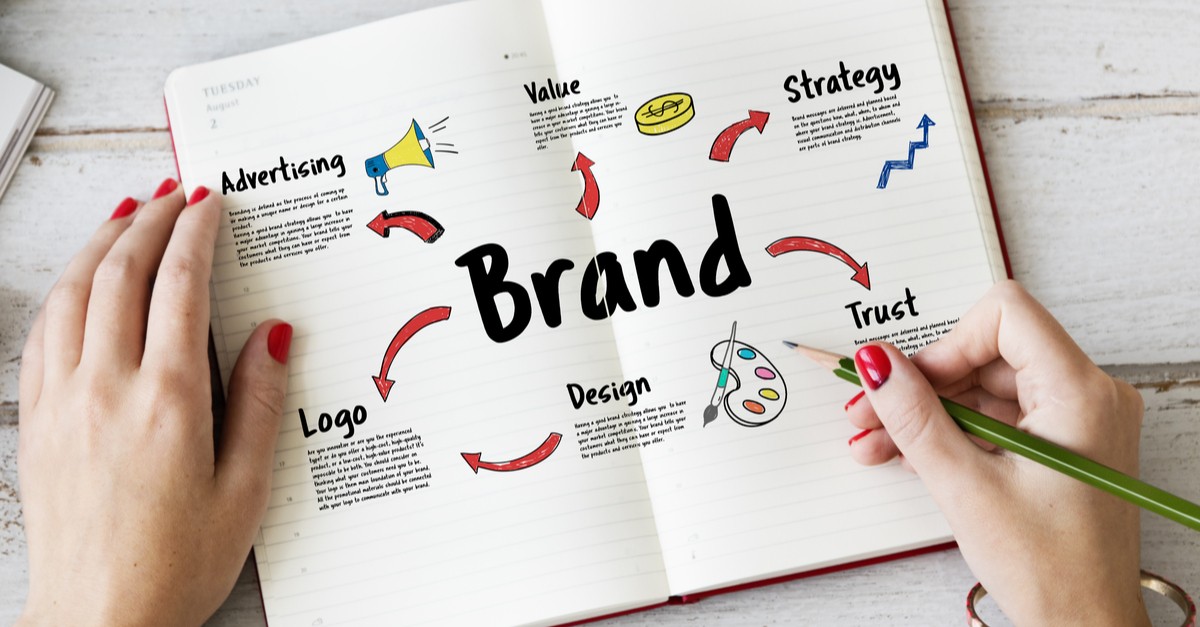
Step 7: Set realistic timelines.
Creating a timeline will hold you accountable for the completion of necessary tasks. Assign a final due date to each of your goals.
Step 8: Establish your biggest takeaway.
Instead of concluding your review with a big to-do list, set most realistic 3-5 goals you want to focus on. For example, it can be:
- Re-define your brand’s primary and secondary value proposition
- Create a list of most powerful emotional benefits that your customers have responded to based on previous communication activities and focus future messaging on them
- Update your industry trends knowledge
- Add new social communication platform to your marketing action plan
- Get more user reviews or testimonials and show your competitive advantages to the market
Step 9: Follow up.
Once you’ve completed your review and planning process, assess your progress after 3-6-9-12 months and make adjustments as needed to achieve the goals. If you consistently follow up, your business will be more likely to succeed.
STRATEGIZZE helps businesses owners INVEST WISELY in Marketing and Brand Development so that your funds are secured with EFFECTIVE & PRACTICAL Marketing Strategies based on in-depth Market & Consumer Behavior Analysis. Contact us today and let your brand get professional health audit and growth advice: anna@strategizze.com